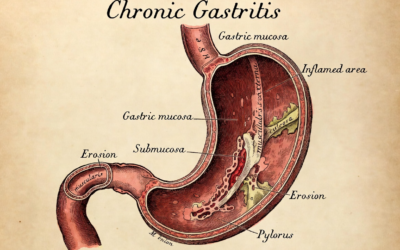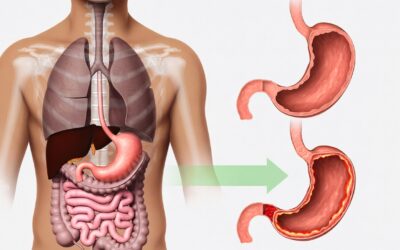
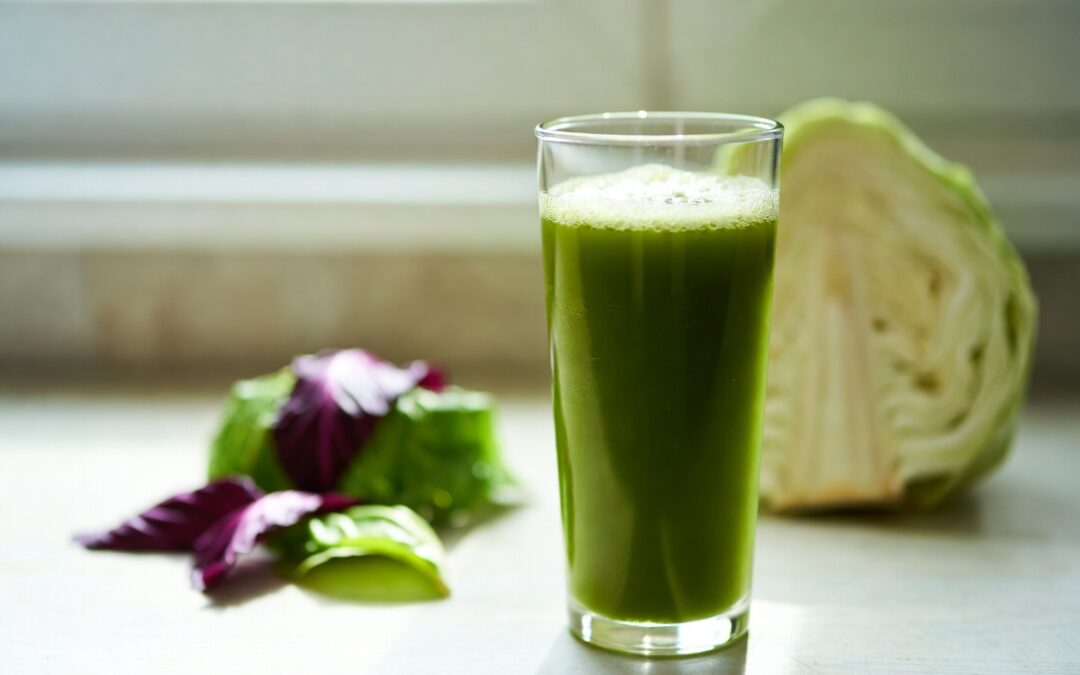
If you’re exploring natural ways to ease gastritis symptoms like discomfort, bloating, nausea, or that nagging inflammation, cabbage juice has a solid reputation thanks to its Vitamin U content (S-methylmethionine, or SMM). Classic studies from the 1950s showed people drinking about a liter a day healing peptic ulcers faster, and more recent research (like a 2023 study on chronic gastritis) links SMM to reduced dyspepsia and better quality of life.
But cabbage juice isn’t always the easiest or most comfortable option. Here’s why a pure Vitamin U supplement could be a smarter, gentler alternative for many people, especially if your stomach is already sensitive.
The Upsides of Cabbage Juice
Cabbage is nutrient-packed:
- Vitamin C and polyphenols to help fight inflammation
- Folate, sulfur compounds, and vitamin K for cell repair and protection
- Overall antioxidants help ease oxidative stress in the gut
These extras make whole-food cabbage great in moderation. But when you’re juicing large amounts of cabbage for meaningful Vitamin U, those perks can come with some downsides.
The Potential Drawbacks of Relying on Cabbage Juice
The number one thing to consider is the amount of cabbage juice one needs to drink to consume enough Vitamin U to see the results. Even though it is hard to estimate the exact amount of Vitamin U per 1 liter of cabbage juice, as it varies greatly based on the type of cabbage, freshness and season, a general estimate is 50mg to 150mg of Vitamin U per 1 liter of cabbage juice (1). That is a lot of cabbage juice to consume, so as a result, it comes with its own issues.
- Goitrogens – Raw cruciferous veggies like cabbage contain natural goitrogens that can interfere with thyroid iodine uptake in very high amounts (think pounds of raw cabbage daily). This is rarely an issue for most people with normal thyroids and moderate intake, but if you have thyroid concerns (hypothyroidism, Hashimoto’s, etc.), loading up on juice could add unnecessary risk. Pure S-methylmethionine supplements don’t have goitrogens; they’re just the isolated compound, no plant extras.
- Gas, bloating, and irritation – Even though juicing removes most of the insoluble fiber from cabbage, the juice still packs soluble fiber, fermentable carbs (like FODMAPs), and sulfur compounds that can ferment in the gut and trigger noticeable gas, bloating, or discomfort, especially for folks with sensitive digestion, IBS, or active gastritis. Drinking a liter daily (like in those classic studies) might backfire if it makes you feel worse short-term.
- Vitamin K and blood thinners – Cabbage is high in vitamin K, which can affect how blood-thinning meds like warfarin work (2). If you’re on those, big doses of juice mean extra monitoring or adjustments with your doctor. Isolated Vitamin U supplements skip the vitamin K entirely – no interaction worries there.
- Practical hassles – Juicing a liter means prepping, blending/straining, dealing with the strong smell/taste (some call it funky), and potential waste. Not everyone has time, energy or a good juicer.
Why Supplementing Vitamin U Could Be Safer and Easier
A straight Vitamin U capsule (500 mg of S-methylmethionine) delivers the key compound without the extras that might irritate:
- Targeted and consistent – You get a reliable dose in one pill – no guessing how much is in your homemade juice.
- Gentler for sensitive people – No bulk fiber, no goitrogens, no high vitamin K. Many people report fewer side effects compared to juicing.
- Convenience wins – Take one capsule with water, done. No kitchen mess, no hustle of drinking a lot of unpleasant tasting and smelling juice.
Research on pure SMM supplements shows it’s generally well-tolerated (little is known about major side effects beyond possible mild irritation in direct contact forms), and it’s been used supportively for gut mucosal repair, anti-inflammatory effects, and symptom relief worldwide.
Of course, supplements aren’t magic – they’re a potential supportive tool. The evidence for Vitamin U helping with gastritis is promising (faster healing in older ulcer studies, symptom improvement in newer ones), but it’s still emerging, and large modern trials are limited.
Bottom Line: A Balanced Approach
If cabbage juice appeals to you and your body handles it well, go for it – start small (4–8 oz) and enjoy those whole-food bonuses. Also, if you want to see if Vitamin U could potentially work for you, trying cabbage juice first might be a simpler, cheaper option.
But if you’re looking for something potentially less irritating, more consistent, and easier to stick with, especially with thyroid issues, med interactions, or a touchy gut, a Vitamin U supplement might be the better fit for exploring those gastroprotective benefits.
Always chat with your doctor first before adding anything new, particularly if you’re managing gastritis or on medications. Natural options like this can complement standard care, but they’re not replacements.
Have you tried cabbage juice or Vitamin U capsules? What worked (or didn’t) for your digestion? Drop your thoughts – we’d love to hear your experience!
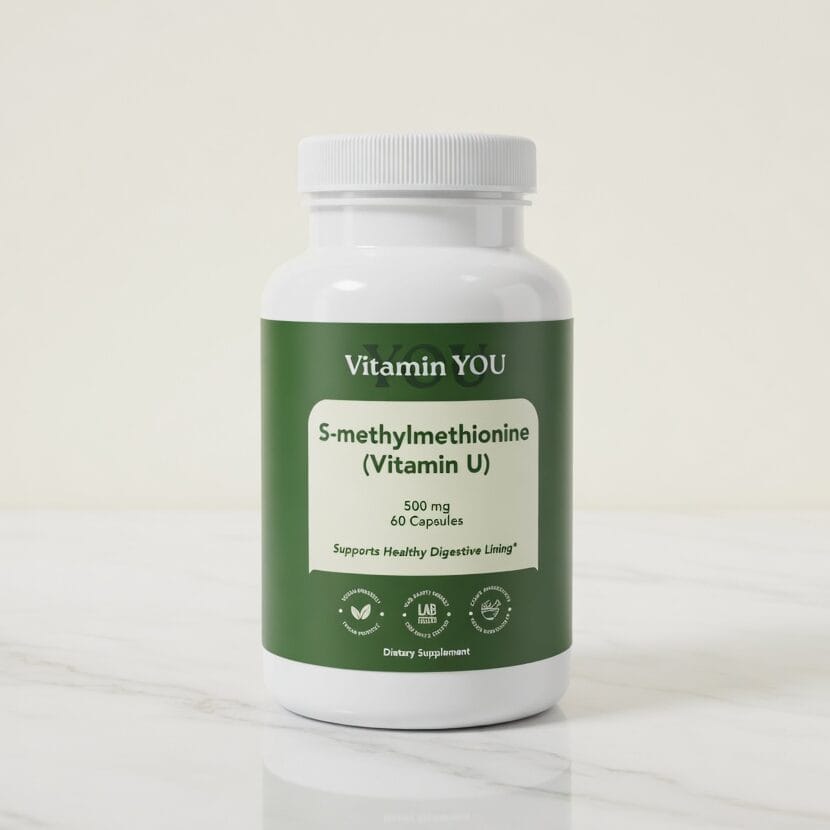
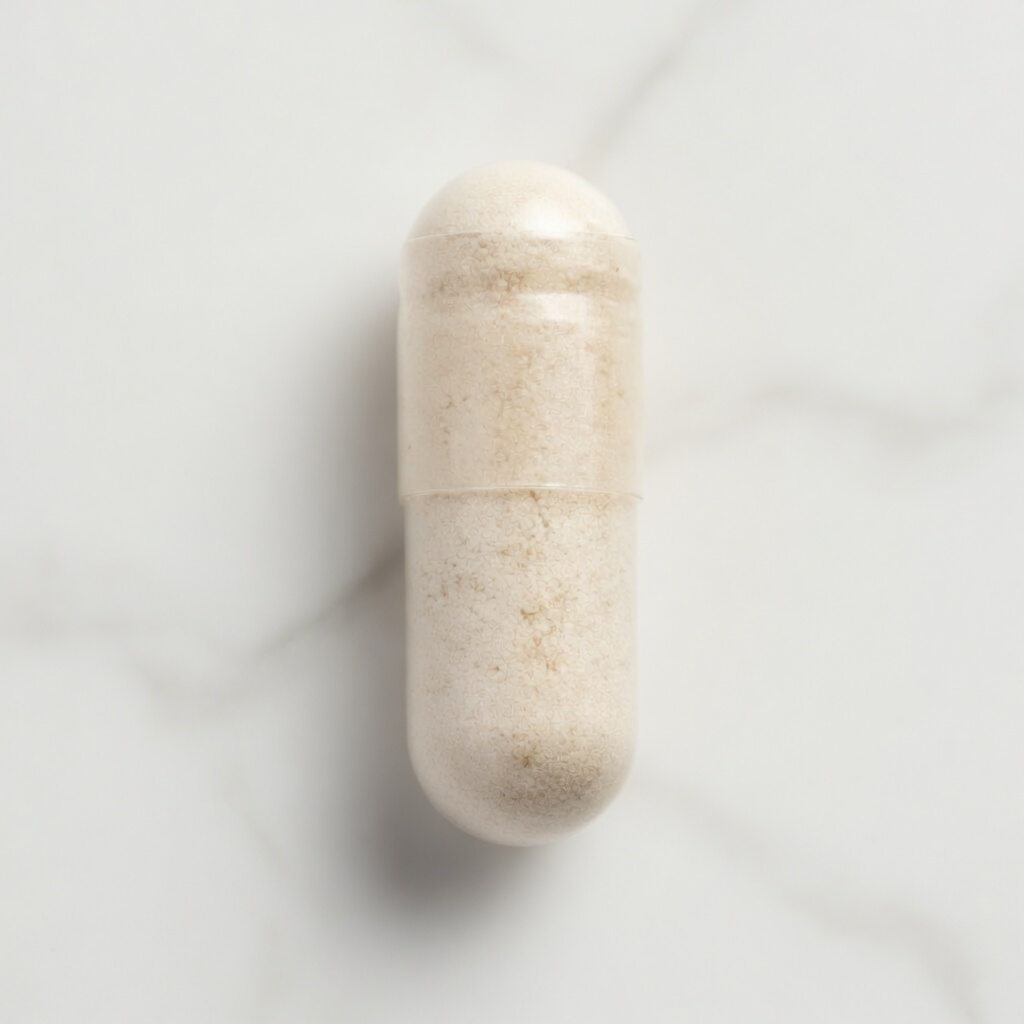
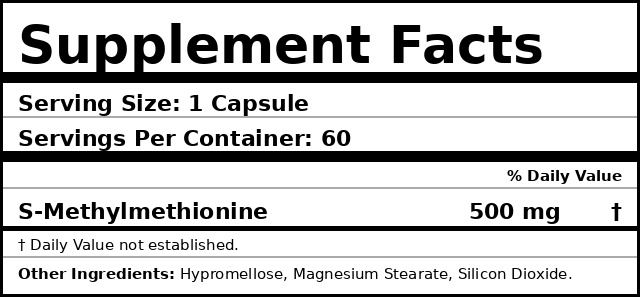
S-Methylmethionine • 500mg • 60 capsules
Vitamin U
Supports stomach lining health.*
★★★★★
Pure S-methylmethionine is the active compound in cabbage juice, studied since the 1950s. Clean formula. Made in the USA.
$49
Free-shipping anywhere in the US
Made in
USA
Lab tested
3rd-party
Capsule
Vegan
Returns
30-day