If you’ve ever dealt with nagging stomach discomfort, heartburn that won’t quit, or that heavy feeling after meals, you know how much it can mess with your daily life. For years, people have turned to everything from antacids to prescription meds looking for relief. But what if something as simple as a compound found in everyday vegetables could help support your stomach lining and keep your gut feeling strong?
That’s where Vitamin U comes in. Also known as S-methylmethionine, this lesser-known nutrient has been quietly studied for its role in stomach lining repair and overall stomach lining support.
Vitamin U isn’t your typical vitamin like C or D. It earned its name back in the 1950s because researchers noticed it seemed to help with ulcers. The “U” stands for ulcer, and the early findings were pretty impressive. Today, more people are rediscovering it as a natural way to promote digestive comfort and protect the delicate lining of the stomach and intestines. Whether you’re dealing with occasional bloating or looking to maintain long-term stomach health, understanding Vitamin U benefits could make a real difference.
In this post, we’ll explore what Vitamin U actually is, how it works to support your stomach, the research behind it, and practical ways to include it in your routine. We’ll also touch on some other potential perks it may offer beyond digestion. Let’s get into it.
What Exactly Is Vitamin U?
Vitamin U is the common name for S-methylmethionine, a sulfur-containing compound derived from the amino acid methionine. You won’t find it listed as an essential vitamin on nutrition labels because your body can manage without huge amounts of it, but that doesn’t mean it lacks value. It occurs naturally in plants, especially in cruciferous vegetables, and it plays interesting roles in how those plants grow and protect themselves.
The story of Vitamin U really kicked off in the late 1940s and early 1950s. Dr. Garnett Cheney, a researcher at Stanford, started noticing something remarkable. Patients with peptic ulcers who drank fresh cabbage juice seemed to heal much faster than those on standard treatments at the time. He published several studies showing that raw cabbage juice, rich in what we now call S-methylmethionine, helped speed up ulcer healing and eased pain quickly.
Back then, doctors didn’t fully understand what caused ulcers or how to treat them effectively. Cheney’s work suggested that this “anti-peptic ulcer factor” in cabbage could stimulate the body’s own repair processes.
Over time, scientists identified S-methylmethionine as the key player. It acts as a methyl donor in various chemical reactions, which helps cells communicate and repair themselves. It also shows antioxidant qualities that calm inflammation in the digestive tract.
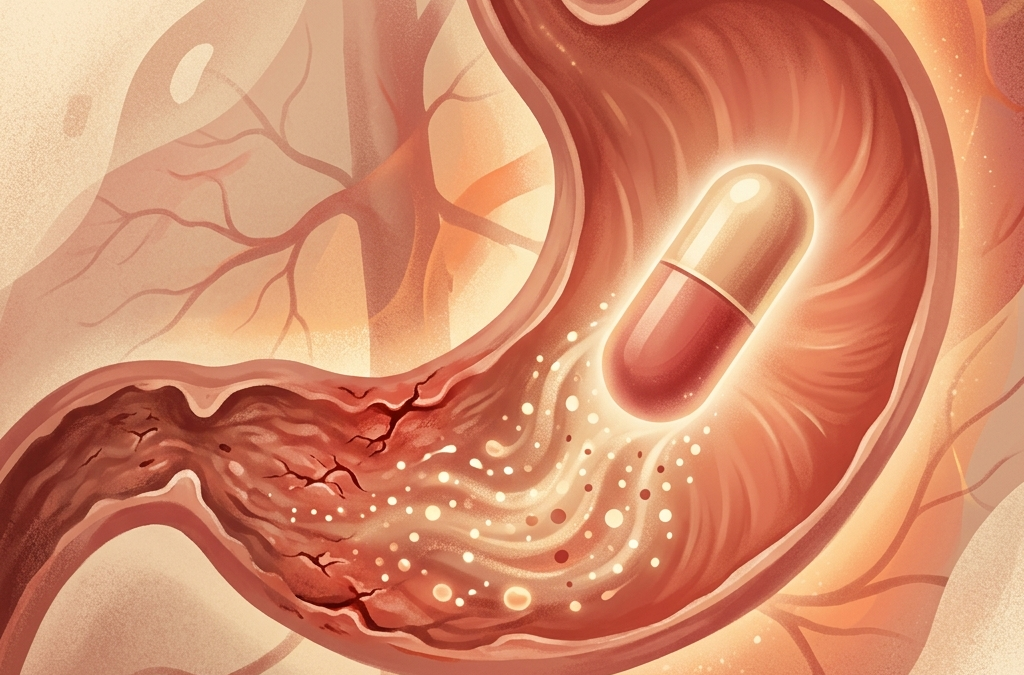
Today, we know Vitamin U for gentle, consistent support for the mucosal lining, it coats your stomach and intestines. That lining acts like a protective shield against stomach acid, enzymes, and irritants from food or stress. When it gets worn down, you feel the effects – discomfort, bloating, or worse. Giving it some extra help with compounds like Vitamin U makes a lot of sense.
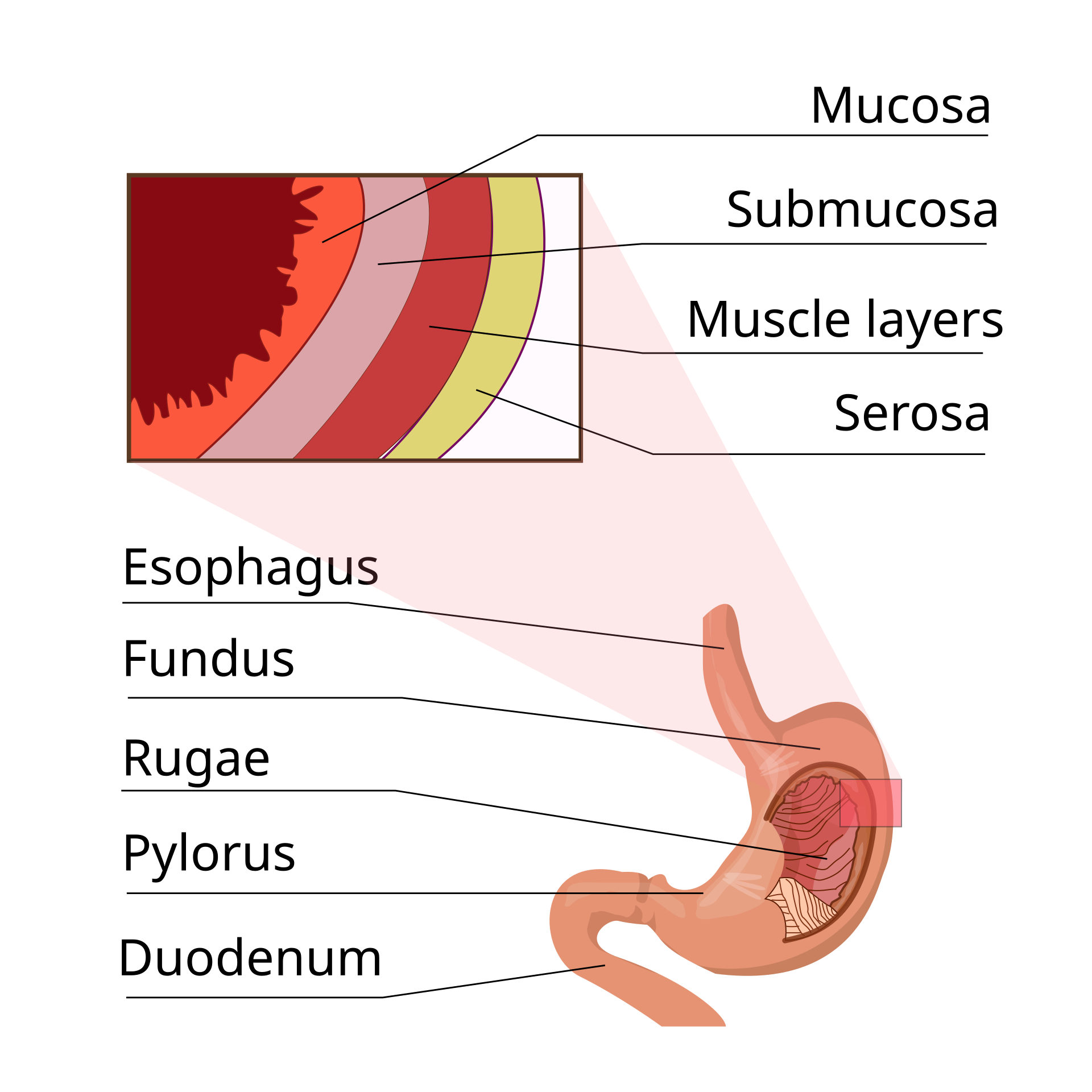
ref. wikipedia
How S-Methylmethionine Supports Stomach Lining Repair
One of the standout Vitamin U benefits centers on its ability to promote stomach lining repair. The mucosal layer in your stomach and duodenum constantly renews itself, but factors like stress, certain medications, spicy foods, or bacterial imbalances can wear it down faster than it rebuilds.
S-methylmethionine steps in by encouraging the production of protective mucus. This mucus forms a thick barrier that shields the delicate tissue underneath from harsh digestive juices. Studies in animals have shown it boosts mucin secretion, the main component of that protective layer. It also appears to improve blood flow to the area, which delivers oxygen and nutrients right where healing needs to happen.
On top of that, it supports cell growth and turnover. Research points to increased activity of growth factors like epidermal growth factor (EGF) and insulin-like growth factor-1 (IGF-1). These signals tell cells to multiply and migrate to patch up any weak spots. The result? Faster recovery from minor damage before it turns into something more serious.
Many people report less heartburn and a calmer stomach after adding cabbage-based foods or supplements to their routine. It’s not about masking symptoms. It works with your body’s natural processes to strengthen the foundation.
Getting Vitamin U Through Your Diet
The best way to bring Vitamin U benefits into your life starts with food. Cruciferous vegetables top the list, and cabbage leads the pack, especially when it’s raw or lightly cooked to preserve the compound.
Here are some top sources:
- Cabbage (green or red)
- Broccoli
- Brussels sprouts
- Kale
- Cauliflower
You’ll also find smaller amounts in asparagus, celery, beets, tomatoes, and even green tea. Fresh is usually better because heat can reduce levels.
Making your own cabbage juice is a classic approach that echoes the original studies. A simple recipe might include half a head of cabbage, a couple of carrots for sweetness, an apple, and a bit of fresh ginger or lemon. Juice it fresh and drink about 8 to 16 ounces a day, split into portions. Many people find it surprisingly palatable once they get used to it.
For those who prefer convenience, Vitamin U supplements exist, often labeled as S-methylmethionine. Doses in studies have ranged from 200 to 500 mg per day, sometimes split into a few servings. Always check with a healthcare provider before starting supplements, especially if you have existing conditions or take medications.
Other Health Benefits of Vitamin U
While stomach health research gets most of the attention, researchers have looked at other areas where S-methylmethionine might help.
Animal studies suggest it could protect the liver from certain types of damage, such as that caused by some medications. It seems to reduce oxidative stress in liver tissue and support healthy function there. Similar protective effects have shown up in studies on the kidneys and even the lungs under stress conditions.
On the skin side, lab and animal research indicate potential for faster wound healing and some defense against UV damage. It may help skin cells recover and reduce inflammation from sun exposure, which is why you occasionally see it in cosmetic formulas.
There’s also early interest in its effects on cholesterol. One older human trial using higher doses noted a modest drop in total cholesterol and a slight rise in beneficial HDL. Again, more research is needed, but it adds to the picture of Vitamin U as a multi-talented compound.
Bottom Line
Vitamin U, or S-methylmethionine, offers a natural, food-based way to support stomach lining repair and stomach lining support. From its roots in cabbage juice research decades ago to more recent studies on gastritis and mucosal health, the evidence points to real potential for everyday digestive comfort.
Whether you start by adding more cabbage to your meals, trying a fresh juice routine, or exploring a quality supplement, small, consistent steps can add up. Your stomach does so much for you every day, giving it this kind of targeted support feels like a smart move.
References
- Healthline. Vitamin U: Benefits, Side Effects, Foods, and More. Accessed via healthline.com/nutrition/vitamin-u.
- Cheney G. Vitamin U therapy of peptic ulcer. Calif Med. 1952;77(4):248-252. PMC1521464.
- Cheney G. Rapid healing of peptic ulcers in patients receiving fresh cabbage juice. Calif Med. 1949.
- Drozdov et al. (2023) study on S-methylmethionine in chronic gastritis (as referenced in recent reviews).
- Additional mechanistic studies including Yang et al. (2022) on intestinal cell effects.
- PMC review on combined B5 and Vitamin U use in gastrointestinal disorders.
Always consult a healthcare professional before making changes to your supplement or treatment routine, especially if you have medical conditions. This article is for informational purposes and not medical advice.
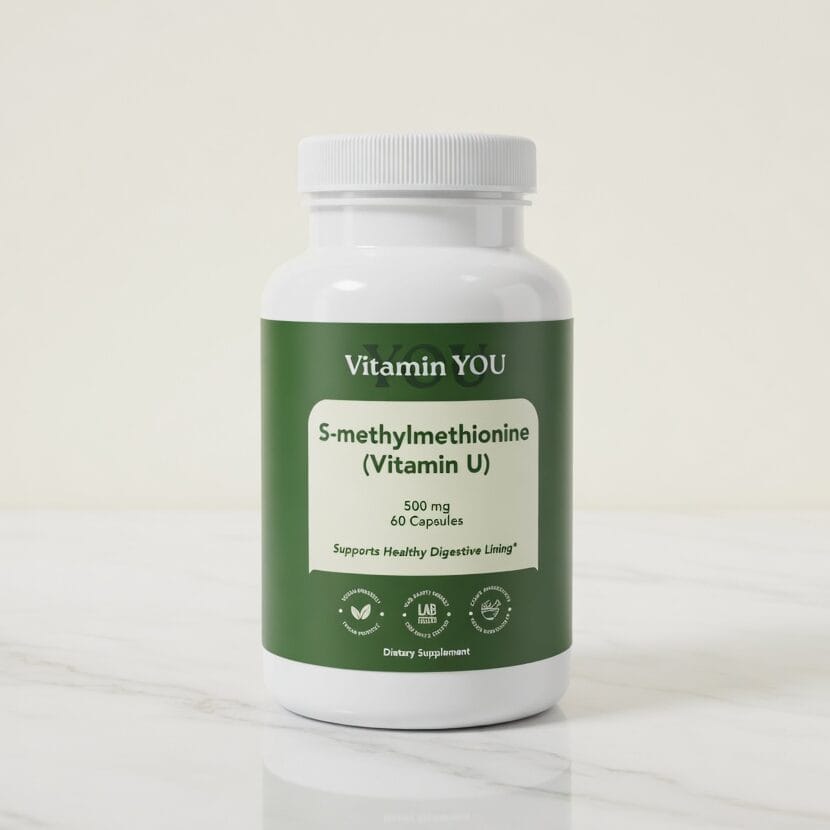
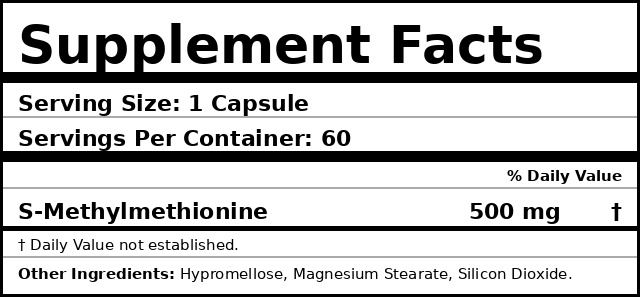
S-Methylmethionine • 500mg • 60 capsules
Vitamin U
Supports stomach lining health.*
★★★★★
Pure S-methylmethionine is the active compound in cabbage juice, studied since the 1950s. Clean formula. Made in the USA.
$49
Free-shipping anywhere in the US
Made in USA
Lab tested 3rd-party
Capsule Vegan
Returns 30-day